
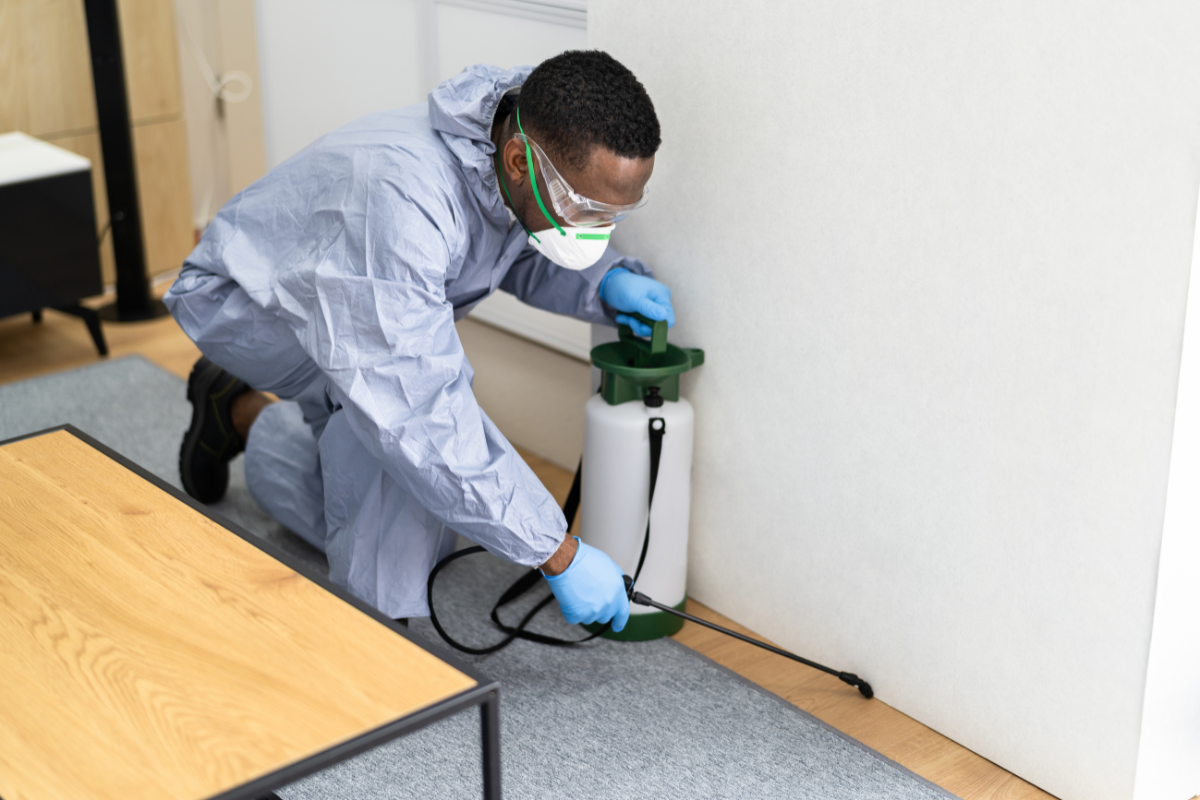
The day you get the keys to a new place feels clean and full of promise. Fresh paint, empty rooms, sunlight on floors that still carry the scent of a recent mop. Then the first night comes. You open a cabinet and a tiny roach darts behind the hinge. Or you hear a soft scuffling inside a wall you haven’t learned yet. I’ve guided hundreds of homeowners and renters through that moment. It’s not just about disgust, it’s about control. When you move in, you want to start with the upper hand. Bringing in a pest control service before the first box crosses the threshold does exactly that.
Why a blank house is the best time for pest work
Pest control professionals love an empty home for the same https://daltonhvma863.yousher.com/the-benefits-of-bundling-pest-control-services reasons painters do. No furniture means no blind corners. No curtains, no under-sofa shadows, and no clutter that lets rodents or roaches break sight lines. A blank interior gives a pest control company the chance to inspect everything that matters in a single sweep: slab cracks behind baseboards, gaps in door sweeps, attic insulation along the eaves, and plumbing chases behind vanities. A technician can cover in one hour what might take three when rooms are packed, and that speed translates into more thorough work for the same visit.
The treatments land better, too. Residual sprays that need to cure on baseboards and under sinks won’t be disturbed by moving crews. Baits placed in cabinets stay in place rather than getting smeared on pots and pans. Dusts in wall voids remain undisturbed by the vibrations of a full day of furniture placement. Even if you never see a bug, preventive service on an empty structure is like weatherproofing. You’re sealing, excluding, and building a protective barrier before pests get the chance to take up residence.
One week before move‑in: timing that pays off
If you can swing it, aim to book the exterminator service five to seven days before move‑in. That window does three useful things. First, it gives time for any residual product to dry, which helps both safety and effectiveness. Second, it lets the pest control contractor conduct follow-up spot treatments, like sealing a new gap discovered after a plumber finishes punch-list work. Third, if the inspection finds a heavy issue, say German cockroaches or bed bugs carried over from a previous tenant, you have time to escalate to a more aggressive plan without delaying your move.
If schedules are tight and you only get 24 to 48 hours, it’s still worth it. Most modern products used by a reputable exterminator company are low odor and dry quickly. The key is clear communication around pets, kids, and ventilation. Ask your pest control company about dry times and reentry intervals for each product they plan to use. A good crew will mark areas to avoid until they set fully.
What professionals find that most people miss
I once walked a new homeowner through a sparkling kitchen that had never been cooked in. The punch-list looked immaculate. We opened the dishwasher kick plate and found a trail of mouse droppings leading up into the cabinet bay. The general contractor had cleaned the visible surfaces but left a quarter-inch gap where the water line penetrated the floor. Mice love those hidden penetrations. They also love garage door corners where the rubber seal doesn’t quite meet the slab, dryer vents without flappers, and attic access hatches that sit proud by half an inch.
Roaches follow a different logic. German roaches hitchhike in boxes, small appliances, and bags. American roaches ride sewer lines and emerge through floor drains that lack one-way flaps or have dry traps. Wood roaches hug mulch and leaf litter near foundations and slip in through poorly caulked weep holes. A trained exterminator sees the building the way pests do, as a set of pressure points you can manage. That perspective shapes the treatment plan: seal these three holes, adjust that door sweep, dust this wall void, bait behind these appliances, and flush the drain lines in the laundry room.
The landlord, the seller, and the paper trail
If you’re buying, request a pest disclosure and any recent service records. Sellers often comply, but the detail varies. A note that says “treated perimeter April” is only so helpful. Ask specifically about termites, rodents, and any recurring issue in the last 12 months. If a termite letter is part of your closing package, review the fine print. Most letters are limited in scope, typically focused on wood-destroying organisms, not general household pests.
Renters have a different toolbox. Many leases state that the unit must be delivered free of pests, but they seldom define how that’s verified. Before you sign, ask whether the building uses a contracted pest control service and how often they visit. If they say monthly, ask to see one recent service report for your unit or at least your floor. A professional record with product names, targeted pests, and technician notes beats a blanket promise. If you’re sensitive to chemicals, request advance notice and the product labels. Reputable companies keep Safety Data Sheets on hand and will share them without drama.
Preventive barrier versus reactive cleanup
There’s a practical difference between preventive work and remediation that most new residents don’t see until they’ve lived through both. Preventive service builds a barrier outside and inside, focuses on exclusion, and places baits strategically. It addresses the structure itself. Remediation is the catch-up game when pests are already present in numbers. That can involve multiple visits, more aggressive baits, sometimes even limited prep work like cabinet emptying, vacuuming of harborage sites, and overnight monitoring.
The cost curve reflects that difference. A standard preventive visit from an exterminator service in a typical single-family home might run 125 to 250 dollars depending on region, with quarterly maintenance in the 75 to 150 dollar range. A severe German roach infestation can take three to five visits spaced a week apart, with added labor for crack-and-crevice treatments and bait rotation to address resistance. That can stretch into several hundred dollars and a lot of household disruption. Paying for prevention before the first fork goes in a drawer consistently costs less, in both money and headaches.
Chemicals, safety, and what actually gets used
The phrase pest control still makes some people picture foggers and heavy sprays that linger. The industry has changed. Most reputable pest control companies lead with precise, low-volume applications in targeted zones. They use gel baits for roaches inside hinge corners, non-repellent sprays around baseboards where ants trail, silica or boric acid dusts deep in voids, and insect growth regulators that interrupt breeding cycles. Outdoors, they’ll apply a perimeter treatment along the foundation and entry points, sometimes combined with granular baits for specific ant species.
Ask your contractor to walk you through their product choices in plain language. The best technicians can explain why they’re choosing a non-repellent for an ant problem or a bait matrix that matches the protein or carbohydrate preference of the species active in your area. If you have pets or toddlers, insist on tray placements for baits and tamper-resistant stations, particularly in garages and near sliding doors. The point is not to avoid treatment altogether, it’s to site and secure materials so they do their job without becoming part of your daily life.
Termites and wood-destroying organisms: different playbook, different timeline
General household pests are one tier. Termites and other wood-destroying organisms live on their own timeline. If you’re moving into a single-family home or a townhome with wood framing, make sure you understand what has been done to protect that structure. A termite inspection, done by a licensed pest control contractor, should include evidence of prior treatments, any active infestations, and conducive conditions like wood-to-soil contact, poor grading, or water intrusion.
If you inherit a bait system around the property, ask when the stations were last serviced and whether the active ingredient is current. Bait systems work, but only if the stations are inspected, replenished, and repositioned when landscaping changes. If the home was treated with a liquid termiticide in the past, look for a warranty and what it covers. Some warranties are retreat only, others include repair up to a cap. It’s not uncommon for buyers to negotiate a reinspection and warranty transfer at closing. Handling that before move-in sets expectations and helps you avoid a scramble two years later when winged termites appear at a window after a spring rain.
The unseen benefit: finding water problems early
Half the pest issues in homes are secondary to moisture. Silverfish in a linen closet often mean humidity above 60 percent. Pharaoh ants march along a plumbing line because water condenses on a cold pipe. Carpenter ants find softened wood where a small leak has gone unnoticed. When a seasoned exterminator inspects an empty house, they see condensation rings on a basement wall, spongy trim under a window, rust on a shutoff valve, and staining around an A/C air handler. None of those are pest treatments in themselves, but each one deserves a note and a repair ticket.
I’ve had clients avoid a thousand-dollar drywall repair because a pre-move inspection spotted a barely visible drip from a refrigerator supply line. That fix also killed the ant trail that was confusing everyone. This is the value of a pest professional who respects building science. They won’t swap caulk for a solution where a flashing repair is required, and they won’t oversell a chemical fix for a moisture problem. They will, however, triage issues so you can prioritize work in the first weeks of ownership.
Working with your contractor: what good looks like
Competence shows up in small moments. A good exterminator wipes their shoes or wears covers, carries a flashlight that reveals egg cases under a lip of granite, and keeps a kit with door sweeps and copper mesh so they can solve problems on the spot. They explain their plan plainly, document placements, and schedule a follow-up visit for any condition that needs verification. They are not afraid to say, “Let’s not treat this room, there’s no pest pressure, and we can avoid unnecessary product.”
The contract should be readable and specific. It names the target pests, lists products or at least the categories and active ingredients, defines the service frequency, and explains guarantees. Month-to-month can be fine for apartments where the building has its own program. Quarterly often suits single-family homes. Annual inspections are a must for termite warranties. Beware of vague promises without measurable checkpoints. “We’ll take care of you” is comforting, but “We’ll return within 7 days if activity continues and rotate baits if needed” gives you something to hold onto.
What you can do the day you get the keys
A pest control service makes the big moves. You can support that work with deliberate setup habits in the first 48 hours. Keep cardboard to a minimum. Cardboard boxes are roach magnets and, worse, carriers. Break boxes down in the garage or on the patio, and don’t store stacks of them indoors. Wipe kitchen cabinets before loading and note any droppings or grit that looks like pepper in corners. If you see those, pause loading and call your exterminator for a quick reassessment of that area. Watch door sweeps during the first evening with the lights on inside and dusk outside, and note any slivers of light at thresholds. The contractor can adjust or replace those quickly.
Don’t overlook the exterior. Piled mulch against siding, stacked firewood, overgrown shrubs, and low spots that hold water all invite trouble. Ask your contractor or landscaper to pull mulch back from the foundation by a couple of inches and keep a visible soil line. Elevate firewood on a rack at least a foot off the ground and five to ten feet from the house. Trim shrubs so they don’t touch the walls. None of this is glamorous, but it is the daily maintenance that keeps the professional work from being undermined.
Edge cases: condos, new construction, and historic homes
Not every move-in looks the same. Condos and co-ops typically have building-level pest programs. Still, a unit-level inspection pays off. Shared walls and chases change the strategy. You might see more focus on sealing penetrations around pipes under sinks and less on exterior perimeter work. Ask for trap monitoring in utility closets and behind the refrigerator for the first month, especially if neighbors are renovating, which often stirs activity.
New construction isn’t immune. I’ve walked brand-new homes where sub contractors ate lunch in a framed kitchen, left food scraps in a wall cavity, and invited ants in before drywall went up. Construction debris under decks and in crawl spaces creates harborage. The flip side is that new homes usually have modern building envelopes and better seals. The work is more about confirming that standards were met and addressing the occasional oversight.
Historic homes introduce character and entry points. Balloon framing, stacked stone foundations, and original windows require a blended approach that respects the architecture. Foam everywhere is not the answer. Copper mesh, wood repairs, door hardware upgrades, and strategic use of dusts in voids often outperform heavy sprays and keep the building breathing the way it was designed. If you’re moving into a historic property, choose a pest control contractor who can talk about the envelope without defaulting to blanket chemical solutions.
How to choose the right pest control company
You want a team that treats your home like a system. Certifications and insurance matter, but references and technician tenure matter just as much. Ask whether the same technician will handle your account. Continuity helps. A tech who knows your property will notice small changes, like a new ant trail near a window that was spotless last quarter. Ask about integrated pest management practices, which prioritize exclusion, sanitation, and monitoring before chemical treatment.
I pay attention to how a company handles the first phone call. If the intake staff asks what you’re moving into, what you’ve seen so far, how soon you’re moving, whether you have pets, and what materials you prefer to avoid, that’s a good sign. If they just quote a flat rate without questions, expect a cookie-cutter service. The best exterminator companies tailor plans. They also advise you when not to buy more than you need. If the inspection finds nothing and the perimeter is secure, a light preventive treatment with a scheduled recheck might be the right move.
What success looks like in the first 30 days
You move in, sleep the first night, and you don’t see anything you don’t want to see. That’s the goal. A few faint ant scouts on a windowsill can appear after landscaping is disturbed. A single American roach in a ground-level bathroom can wander up from a sewer line even when the home is clean. Your contractor should calibrate your expectations. The measure of success is that any strays don’t turn into patterns, and that the systems in place catch and correct quickly.
Keep a small log for the first month. Date, location, what you saw, and what time of day. Patterns matter to pest pros. An ant at 7 a.m. near a sink points one way, a roach at 1 a.m. in a pantry points another. Share that log at the first follow-up. It speeds diagnosis and saves you both time.
A short, practical move‑in checklist with your exterminator
- Schedule the pest control service 5 to 7 days before move‑in, and request interior, exterior, and attic or crawl inspection. Ask for sealing of obvious entry points during the visit, including door sweeps, pipe penetrations, and garage corners. Confirm product names, dry times, and reentry guidance, especially if you have kids or pets. Break down and remove cardboard promptly during unpacking, and keep an eye on cabinets before loading. Set a 2 to 4 week follow-up to review any activity notes and adjust placements or sealing as needed.
The real payoff: peace of mind you can feel
A good move-in feels quiet. You can leave a snack on the counter while unpacking and not worry that something will find it. You can slide a hand across a baseboard and not feel grit that wasn’t there yesterday. You open a utility closet and see a tidy bait station where you expect it, a door sweep that hugs the floor, and a dryer vent that closes with a crisp snap. That calm starts with a decision before the first box arrives. Call a pest control service. Walk the property together. Treat the building like the living system it is. You’ll sleep better on your first night and every night after that.
Clements Pest Control Services Inc
Address: 8600 Commodity Cir Suite 159, Orlando, FL 32819
Phone: (407) 277-7378
Website: https://www.clementspestcontrol.com/central-florida